
Improving your health often starts with small decisions that influence how you feel, move, and spend your time. Your daily routine, the condition of your home, and the activities you enjoy all play a role in supporting a healthier lifestyle. Rather than attempting a dramatic transformation, you can make practical adjustments that fit your schedule, preferences, and responsibilities.
A balanced approach includes caring for your physical and emotional health while creating surroundings that encourage movement, rest, and connection. That might mean seeking help for persistent discomfort, preparing satisfying meals, maintaining recreational spaces, or trying a new hobby. Each step works best when it addresses a genuine need instead of following a passing trend. The following strategies show how to make health, home maintenance, and enjoyable activities part of the same manageable plan. Consistency matters more than perfection, and your plan can evolve as your circumstances change.
Establish a Practical Foundation for Physical Wellness
Begin by examining how much movement your routine already includes. Working at a desk, driving frequently, and handling household obligations can make long periods of sitting feel unavoidable. Short walks, standing breaks, and gentle stretching can interrupt those patterns. Choose activities that match your current abilities, then increase their duration or intensity gradually as your endurance improves.
Strength and mobility deserve attention alongside cardiovascular fitness. Simple resistance exercises can help you maintain functional strength for carrying groceries, climbing stairs, and doing yardwork. Activities such as walking, cycling, and swimming can support endurance without requiring a complicated schedule. Rest days matter, too, because your body needs opportunities to recover after challenging exercise.
For people returning to activity after an injury, sports physical therapy may provide a structured path forward. A physical therapist can evaluate movement limitations, explain appropriate exercises, and guide a gradual return to recreational or athletic pursuits. The right program depends on your diagnosis, activity goals, and response to treatment rather than a universal workout schedule.
Keep your expectations realistic. An enjoyable routine is more likely to continue than one built around exhaustion or guilt. Track practical improvements, such as walking farther, feeling steadier on stairs, or completing everyday tasks more comfortably. These measures can help you recognize progress even when visible changes happen slowly.
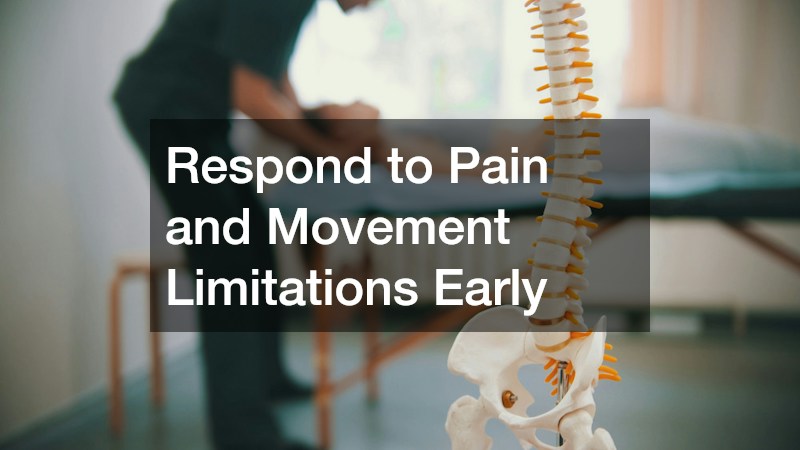
Respond to Pain and Movement Limitations Early
Pain can influence your concentration, sleep, and willingness to stay active. Minor discomfort after an unfamiliar workout may settle with reasonable rest, but persistent or worsening symptoms deserve professional attention. Notice when symptoms begin, which activities aggravate them, and whether you experience weakness, tingling, or changes in mobility. Those details can help a clinician identify possible causes.
For example, neck pain can be associated with sustained screen use, muscle strain, or other conditions requiring assessment. Positioning a monitor at eye level, taking regular movement breaks, and adjusting your workspace may reduce unnecessary strain. However, ergonomic changes should not replace evaluation when pain is severe, follows an injury, or is accompanied by concerning neurological symptoms.
Some people consult a chiropractor for musculoskeletal complaints and advice about movement habits. Before scheduling treatment, ask about the proposed approach, expected benefits, potential risks, and whether coordination with another healthcare professional is appropriate. Chiropractic care is not a substitute for emergency evaluation or medical investigation of unexplained symptoms.
Effective recovery also involves knowing when to pause. Pushing through sharp pain or returning to intense exercise too quickly can complicate recovery. Follow recommendations tailored to your condition, and focus on restoring comfortable movement before chasing performance goals. Addressing problems early can help you make informed choices about work, exercise, and everyday activities.
Build Sustainable Eating and Weight Management Habits
Nutritious eating should support your energy and satisfaction rather than make every meal feel restrictive. Start by paying attention to regular meal times, portion sizes, hydration, and the variety of foods on your plate. Vegetables, fruit, whole grains, protein sources, and healthy fats can contribute to a balanced pattern. Your individual needs may change with age, activity, and medical circumstances.
Planning a few flexible meals can simplify busy weeks. Some households enjoy low carb meals built around vegetables, eggs, fish, poultry, or other protein sources. Others feel better including more whole grains and fruit. Carbohydrate needs vary, so no single eating pattern is automatically suitable for everyone. Choose satisfying foods that help you maintain consistent habits.
If you want individualized guidance, weight loss services may offer nutrition counseling, medical assessment, and ongoing support. Ask what qualifications providers hold, how they set realistic goals, and whether the plan accounts for medications or health conditions. Be cautious about guarantees of rapid results or programs that rely on extreme restrictions. Long term progress is easier to maintain when changes remain practical.
Your home environment can reinforce these decisions. Keep accessible ingredients available, prepare lunches ahead of time, and make water convenient to drink. Eating with fewer distractions may also help you notice hunger and fullness. These ordinary adjustments often fit daily life better than complicated rules that leave little room for enjoyment.

Protect Mental Health and Emotional Balance
Wellness includes how you manage stress, relationships, responsibilities, and difficult emotions. A packed schedule can make it easy to overlook signs of fatigue or burnout. Protecting time for sleep, social interaction, and activities you genuinely enjoy creates space to recharge. Small boundaries, such as ending work at a reasonable hour, can make your routine more sustainable.
Try identifying the situations that consistently increase tension. You might feel overwhelmed by constant notifications, household clutter, or a calendar with no breaks. Address one source at a time by simplifying commitments, organizing a shared space, or setting aside a quiet period each evening. Relaxation exercises, journaling, and time outdoors can complement other approaches to stress management.
When emotional difficulties persist or interfere with daily functioning, mental health therapists can provide professional support. Therapy may help people develop coping skills, work through major life changes, or better understand patterns in thoughts and relationships. Finding an appropriate provider can involve considering credentials, areas of experience, cost, and whether the therapeutic approach feels comfortable.
Seeking support does not mean you must wait for a crisis. Talking with a professional can be useful when you feel stuck, face repeated conflicts, or want guidance navigating stress. Friends and family may offer additional encouragement, although they cannot always replace clinical care. Treat mental wellness as an ongoing part of health rather than an occasional concern.
Discuss Hormonal Concerns With Qualified Clinicians
Changes in energy, sleep, mood, or physical performance can be frustrating, especially when they disrupt routines you previously enjoyed. These symptoms may have many explanations, including stress, inadequate sleep, medication effects, and underlying medical conditions. Avoid assuming that one hormone imbalance explains everything. A careful clinical evaluation helps determine which factors deserve attention.
Some adults ask about testosterone replacement therapy after experiencing symptoms they believe may relate to low testosterone. This treatment is not a general wellness shortcut or a routine solution for fatigue. Clinicians typically consider symptoms, medical history, and appropriately timed laboratory testing before diagnosing testosterone deficiency. The decision to treat should follow an individual discussion of potential benefits, risks, and alternatives.
Monitoring is important because hormone treatment can affect several aspects of health and may be inappropriate for certain patients. Ask your clinician what follow up appointments and tests are recommended, how treatment might affect fertility, and which symptoms require prompt attention. Never begin prescription hormone therapy through an unqualified source or without an appropriate medical assessment.
Daily habits still deserve attention regardless of whether treatment is recommended. Consistent sleep, balanced nutrition, manageable exercise, and stress reduction can improve general wellness. Recording symptoms and questions before an appointment can also help you communicate clearly. The goal is to understand the cause of changes rather than pursue a treatment based on advertising or assumptions.

Maintain a Clean and Comfortable Home Environment
A healthier routine is easier to follow when your surroundings feel orderly, functional, and inviting. Start with basic upkeep that prevents small problems from becoming ongoing frustrations. Regularly clean frequently touched surfaces, address moisture promptly, and check that living areas have adequate ventilation. A manageable cleaning schedule can reduce clutter without taking over your weekends.
Pay attention to spaces used for relaxation and exercise. A clear floor provides more room for stretching, while adequate lighting can make hallways and stairs easier to navigate. Check smoke alarms regularly and keep indoor walkways clear of loose cords, shoes, and other tripping hazards. Keeping sports equipment organized also makes spontaneous activity more convenient. If you have outdoor recreation areas, include them in routine maintenance rather than treating them as separate projects.
For homeowners with pools, swimming pool cleaning is a practical part of maintaining an enjoyable outdoor space. Skimming debris, checking filtration equipment, and following appropriate water testing and treatment procedures support safer use. Pool care requirements vary by equipment and conditions, so follow manufacturer guidance and local public health recommendations. Never mix pool chemicals, and store them securely away from children and pets.
Comfort also involves planning for rest. Keep bedrooms reasonably dark and quiet, maintain comfortable temperatures when possible, and choose a regular time to wind down. A well maintained home does not need to look perfect. It should make essential tasks easier and give the people living there room to relax, move, and connect.
Plan Outdoor Spaces That Encourage Recreation
Outdoor areas can become extensions of your everyday wellness routine. Even a modest yard or patio can provide space for stretching, reading, gardening, or gathering with friends. Think about how you actually want to use the space before purchasing equipment or beginning major changes. A thoughtful layout balances recreation with pathways, shade, drainage, and ongoing maintenance.
If your household enjoys swimming, a pool may offer opportunities for low impact movement and time together. Before beginning a project, talk with inground swimming pool contractors about property conditions, installation requirements, safety features, and expected upkeep. Ask for clear written estimates and information about permits, barriers, equipment, and the construction timeline. Confirm applicable local rules before committing to a design.
Safety should shape every recreational improvement. Appropriate barriers, secure gates, and active adult supervision are especially important around water. Non slip walking surfaces, outdoor lighting, and places to rest can make an area more comfortable for different ages and abilities. Design choices should account for changing household needs rather than only the way the space looks today.
You do not need a major renovation to benefit from spending time outside. A shaded chair, container garden, or clear walking route can make fresh air more accessible. Choose changes you can realistically maintain and enjoy throughout the seasons. The most valuable outdoor space is one that supports activities you will actually use.

Make Enjoyable Activities Part of Your Weekly Routine
Healthy habits are easier to maintain when they include experiences you look forward to. Exercise does not have to mean repeating the same workout every day. Dancing, hiking, recreational sports, and active hobbies can provide opportunities to move while exploring interests. Try activities with different levels of intensity to discover what works with your schedule and physical abilities.
Horse riding lessons, for instance, can introduce participants to a recreational activity that involves balance, coordination, and learning to communicate with an animal. Choose an instructor who emphasizes helmets, appropriate footwear, safe handling, and lessons suited to your experience. Riding carries risks, so follow safety instructions and discuss relevant physical limitations before participating.
Shared hobbies may also help you stay connected with friends or family members. Schedule a weekend walk, explore a community class, or choose an outdoor activity that everyone can enjoy at their own pace. When an activity is social and enjoyable, participation can feel less like another obligation. Variety helps prevent boredom and allows flexibility when weather or responsibilities change.
Finally, review your routine periodically. Consider whether you are getting enough rest, eating regularly, managing stress, and making time for movement that feels good each week. Adjust goals when your health or responsibilities change, and ask professionals for guidance when needed. Building a healthier lifestyle is an ongoing process shaped by everyday choices, comfortable surroundings, and activities that bring satisfaction.


